Hardware/
Apple Slashes iMac and MacBook Pro Hardware Gaps with M6
Apple updated the 14-inch MacBook Pro and the iMac with the M6 chip. The iMac now offers two different processor configurations based on port availability.

Apple updated the 14-inch MacBook Pro and the iMac with the M6 chip. The iMac now offers two different processor configurations based on port availability.
Re:Build has raised $2.1 billion to expand its role as a manufacturing accelerator. The company previously launched Slate Auto as a spin-off.
Boston Dynamics staff have petitioned leadership to stop the sale of robotic dogs to Immigration and Customs Enforcement. Company executives have refused to cancel the deal despite internal backlash.

Scientists have developed a technique to store antimatter particles for several months. This breakthrough allows for extended observation of particles that typically vanish instantly.

iFixit disassembled the iPhone Duo to examine its internal components and folding mechanism. The device received a 5/10 for repairability, marking a slight improvement over previous iPhone models.

Meta has released a version of its Ray-Ban smart glasses that excludes cameras. This design choice aims to make the wearable more acceptable for daily use by removing privacy concerns.
Apple has announced a new event titled Pro and tell for October 28. The gathering will take place in Los Angeles and is expected to focus on the MacBook Pro.

The U.S. government has awarded Commonwealth Fusion Systems $85 million. The funding focuses on improving conductor technology essential for fusion energy.

Oura has filed a new lawsuit against its competitor Ultrahuman. The legal action claims that the Ring Pro device violates two of Oura's patents.
Global PC shipments have plummeted as memory costs rise, while Oura and Ultrahuman engage in a legal battle over smart ring patents. Meanwhile, eMudhra is exiting the TLS market following security failures.
Major shifts are appearing across the tech landscape, including an Xbox capability to run PS5 software and Meta's inconsistent AI moderation. Meanwhile, data center operators are targeting students to improve their public image.

Apple has introduced HomeView, a smart display designed for the home. The product is being marketed as a tool to manage the chaos of family life.

Mercedes-AMG has introduced the 2028 GT SUV, a high-performance electric vehicle. The SUV mirrors the power output and fast-charging capabilities of the brand's GT four-door coupe.

Apple has pushed back expected delivery dates for the iPhone Duo to 2027. The company attributed the change to an immense level of initial demand.

Microsoft unveiled launch details for its new Surface Laptop Ultra during a San Francisco hardware event. Powered by Nvidia's Arm-based RTX Spark processor, the premium laptop starts at $2,599 for an 8-core configuration.

Microsoft has introduced the Surface Laptop Ultra, a new line of personal computers powered by Nvidia processors designed for artificial intelligence. The device features an updated version of Windows 11 optimized to run complex AI models and autonomous agents directly on the hardware.
Apple is working with LG to develop a new suite of smart home equipment, according to reports. The co-branded lineup will connect to Apple's anticipated home control hub scheduled for announcement in October.
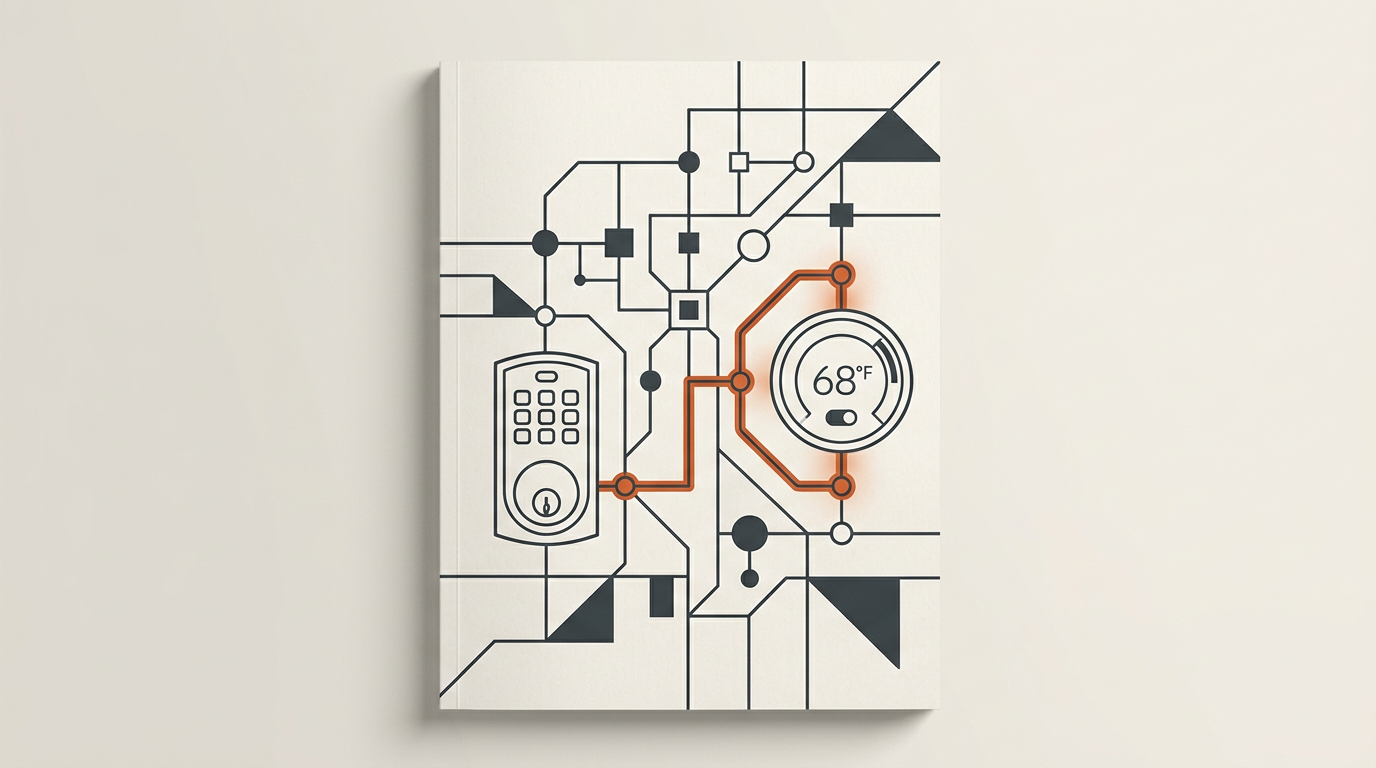
Apple is preparing a broader entry into the smart home hardware market through a reported partnership with LG. The collaboration aims to introduce a connected doorbell, a smart lock, and a thermostat to compete in the home automation space.

A new leak offers an early look at the Fitbit Edge, an upcoming display-equipped wearable device from Google. The device features color options tied to the Pixel 11 and appears positioned to replace the Fitbit Charge line last updated in 2023.

Apple is preparing to introduce a high-end OLED MacBook Pro featuring touchscreen functionality as soon as next month. Reports indicate that the updated flagship laptop will weigh noticeably less than current models.

Hardware enthusiasts have successfully reverse engineered the original security chip inside the PlayStation 2 console. The decoding effort sheds light on previously obscure architectural choices and provides new insights into early console security.
SpaceX successfully placed its Starship rocket into low-Earth orbit during a Monday morning mission, marking its 14th test flight. The launch delivered 26 next-generation Starlink V3 satellites, unlocking expanded deployment capabilities for the company's broadband constellation.

Apple has officially recognized a hardware fault impacting iPhone 18 Pro Max devices connected to the AT&T network. Affected units drop into emergency SOS mode, and Apple has detailed replacement guidelines for owners.

Meta has released open-source code that lets developers build custom hardware gadgets powered by its new Muse AI agent. Suggested projects include displaying reminders on color E Ink screens or embedding the assistant into HDMI sticks for larger screens.

Oura is preparing to enter the public market after establishing early leadership in the wearable smart ring segment. Meanwhile, a rising cohort of rival hardware companies is launching diverse approaches to challenge the incumbent's dominant position.

The nearly $2 billion BepiColombo space mission has completed key maneuvers in its eight-year journey to Mercury. A combination of plasma propulsion and planetary flybys has slowed the probe down sufficiently for Mercury to capture it into orbit later this year.

As Apple appoints former hardware chief John Ternus to CEO, the broader tech landscape is refocusing on physical infrastructure and targeted AI applications. Meanwhile, compute demands for AI inference and specialized music tools like Roland's Melody Flip signal a shift toward domain-specific technology.

Tesla unveiled its new Cybercab during a private, invitation-only gathering in Austin, Texas. Remote fans and online observers were left without updates for hours while the closed-door event took place.

A gene-edited pig kidney transplanted into a patient has remained functional for nine months, setting a new record for xenotransplantation duration. The achievement highlights the potential for genetically engineered animal organs to alleviate critical shortages in human donor availability.

Nvidia plans to officially enable its DLSS 5 AI rendering technology on older graphics processing units. The decision follows community efforts that successfully ran a leaked build of the software across a wider range of hardware.
Enterprise buyers are increasingly considering non-Nvidia chips for their upcoming AI hardware evaluation lists. While Nvidia remains dominant in active production, companies are actively building operational flexibility into their long-term infrastructure strategies.

Acer's new Vero 16 laptop incorporates accessible hardware features aimed at simplifying physical repair and maintenance. The device includes a tool-free bottom latch, removable port covers, and a detachable external hinge.
OpenAI is reportedly developing a premium smart speaker with moving physical components, priced between $300 and $400. Internal discussions frame the unannounced tabletop hardware as a potential alternative to traditional smartphones.

USB flash drives have demonstrated remarkable longevity while outsurviving numerous competing consumer technologies. However, shifting industry needs and changing data management practices are raising questions about the format's long-term future.
As wearable hardware brings AI displays directly to users' faces, creators like Tucker Bryant are using low-tech human responses to critique the conversational AI boom. Simultaneously, home appliance makers are redesigning daily gadgets like drip coffee brewers to eliminate microplastics.

South Korean semiconductor manufacturer SK Hynix is allocating $38.1 billion toward the construction of two memory chip plants. The upcoming facilities will focus on producing both DRAM and NAND memory components.

Newly surfaced details indicate OpenAI's upcoming artificial intelligence device will take the form of a smart speaker. The hardware is expected to launch with a premium price tag ranging from $300 to $400.

Recent moves from Liquid AI, Anthropic, and OpenAI signal a broad diversification in artificial intelligence hardware strategies. As frontier developers design custom chips and build consumer devices, edge-focused startups are proving agents can run locally without GPUs.