Concerns over international trade and market competition are dominating discussions across the global automotive sector. Executive sentiment regarding Chinese manufacturing has grown increasingly grim, with multiple carmaker leaders raising alarms about the prospect of Chinese electric vehicles making inroads into North American dealerships. The central fear among these executives centers on price and capability, as vehicles produced in China frequently feature aggressive pricing paired with advanced onboard technology.
Some industry voices have gone so far as to suggest that unrestricted access for Chinese electric vehicles could permanently dismantle established automotive businesses in the United States. In their view, domestic manufacturers would struggle to compete against cheap imports that combine low manufacturing costs with modern software and hardware features, leading to severe market disruption.
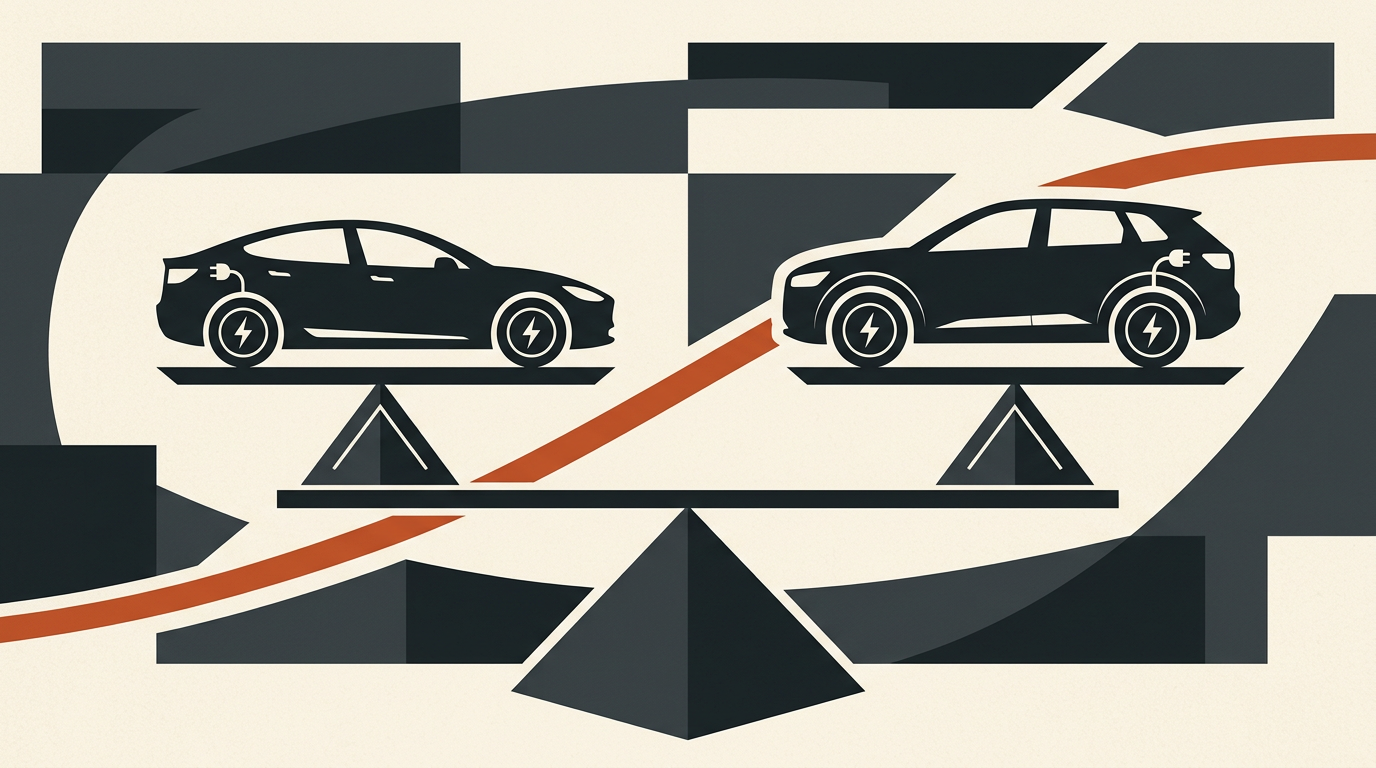
Not every automotive executive shares this apocalyptic outlook. Hyundai Chief Executive Officer José Muñoz presents a more balanced perspective on the threat posed by foreign entrants. While acknowledging the competitive pressure coming from China, Muñoz contends that the potential negative impacts can be controlled and minimized if regulators establish equal rules for all participating car manufacturers.
What it means
The stance taken by Hyundai's leadership suggests that industry survival may depend on regulatory structure rather than outright market isolation. By emphasizing equal competitive terms rather than fatalistic warnings, the argument points toward a strategy where established carmakers adapt to low-cost international competition by demanding fair playing conditions rather than assuming total defeat.