Tesla has officially introduced its Cybercab autonomous vehicle, but the launch arrives alongside immediate scrutiny from United States federal regulators. On the very day the vehicle officially debuts to the public, government authorities are actively investigating whether the vehicle satisfies established federal vehicle safety standards.
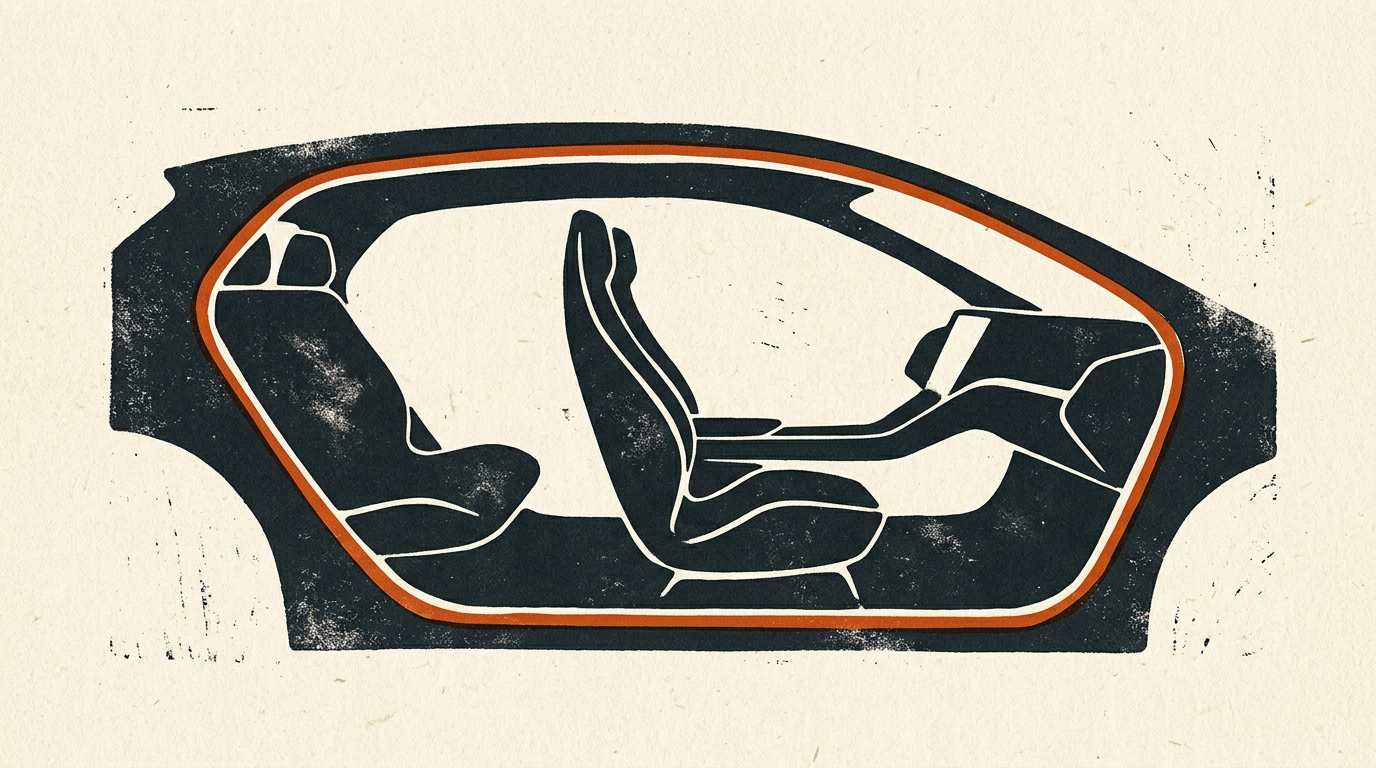
At the center of the regulatory inquiry is the vehicle's complete reliance on automated operation and its total lack of manual driver controls. The Cybercab is built without a traditional steering wheel, nor does it include foot pedals for braking or acceleration. Because federal motor vehicle safety regulations were originally written under the assumption that a human operator would be present with physical controls, government officials are evaluating how a cabin designed without these traditional components fits within existing legal frameworks.
Federal oversight agencies are responsible for ensuring that all motor vehicles operating on roads adhere to strict safety guidelines. The rollout of a production vehicle that completely omits manual steering and braking systems creates an immediate compliance question for regulators assessing road readiness and passenger safety.
What it means
The federal investigation highlights the complex regulatory hurdles facing vehicles engineered without traditional driver controls. As Tesla proceeds with the official launch of the Cybercab, government scrutiny will determine whether the steering-wheel-free design meets current safety requirements or requires further regulatory evaluation.