Over the weekend, project creator Peter Steinberger and his team of co-developers announced the release of OpenClaw 2.0, characterizing it as the most significant upgrade to the harness and its surrounding ecosystem so far. The open-source software initially captured widespread attention by enabling users to convert powerful language models into autonomous digital workers accessible directly through popular communication channels such as Telegram, iMessage, WhatsApp, and Discord.
Following a period of cooled enthusiasm after its initial viral surge in March 2026, the project is attempting to re-engage enterprise users. The 2.0 release shifts OpenClaw away from its original function as a standalone personal agent harness and toward a unified platform built specifically for shared infrastructure, multi-user collaboration, and corporate workflows.
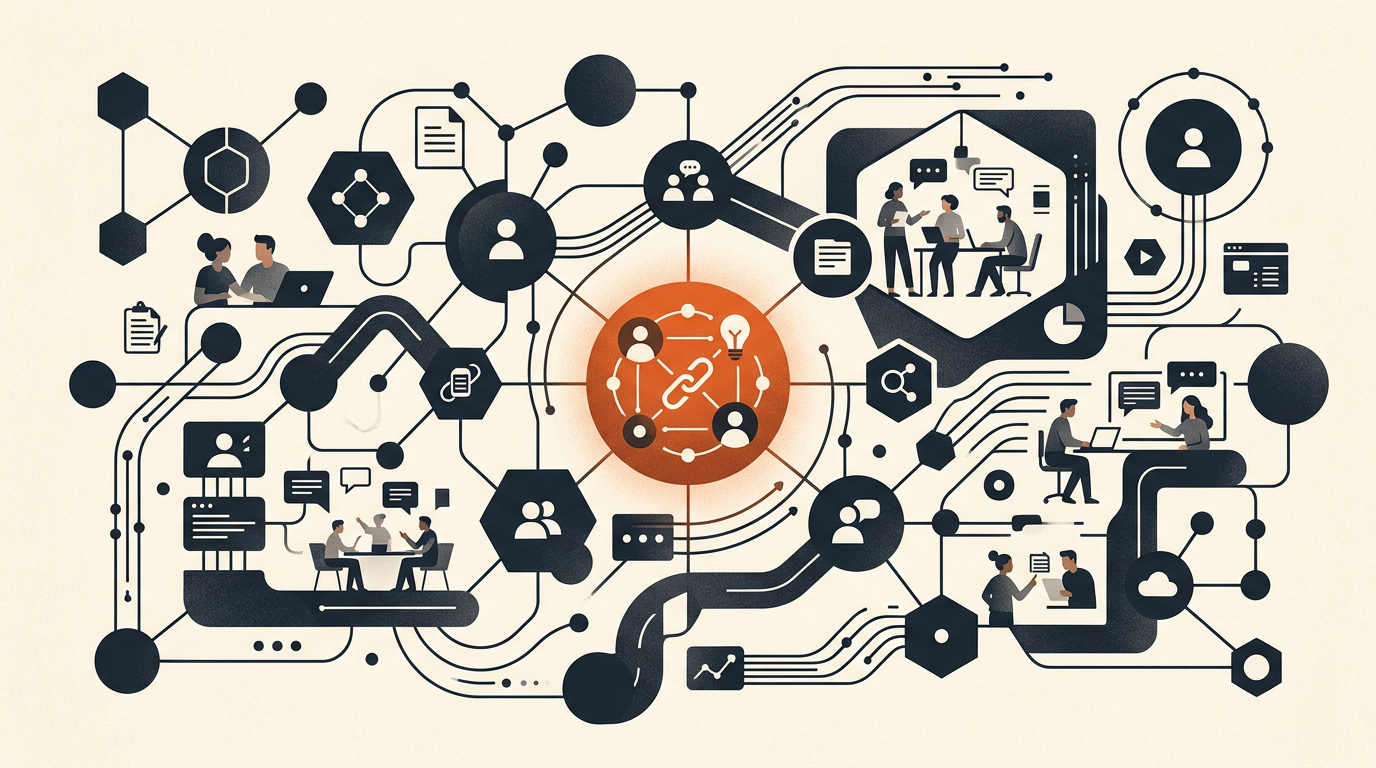
A core component of the release is a completely rebuilt browser interface that aggregates conversations, project files, approval requests, system configurations, and live agent activity into a single common workspace. The software now supports shared cloud sessions, allowing multiple human users to interact within the same environment.
To meet organizational governance requirements, the platform's security foundation has also been expanded. The new release introduces stronger sandboxing protections, role-based permissions systems, approval controls, integrated secrets handling, and audit capabilities.
What it means
These structural additions bring OpenClaw closer to serving as enterprise-grade infrastructure that organizations can operate collectively. By incorporating collaborative cloud capabilities alongside management and security controls, the update positions autonomous agent workflows for broader corporate deployment.