Artificial intelligence is increasingly shaping the modern transportation landscape, driving significant structural shifts in how vehicle networks operate and how urban centers handle transit. As autonomous technologies continue to advance, the intersection of advanced machine learning systems and physical transportation infrastructure has become a primary area of emphasis for software developers, industry analysts, and policy makers alike.
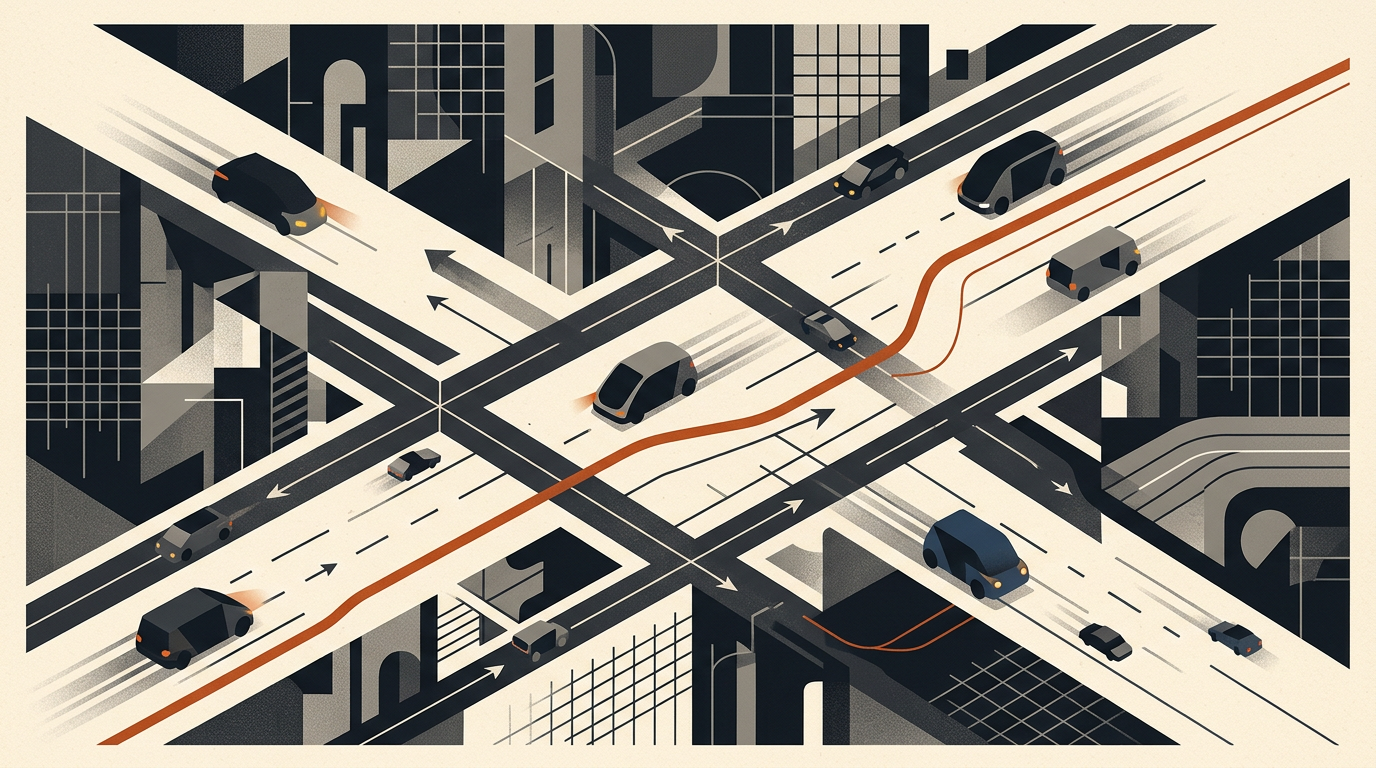
A major area of discussion currently centers on the management and oversight of expanding robotaxi operations. With self-driving vehicle fleets taking on larger roles in urban passenger transit, questions surrounding operational safety, traffic integration, and administrative supervision have intensified. Regulatory entities and municipal leaders are increasingly focused on establishing clear governance frameworks for automated taxi operations, seeking to balance ongoing software development with public safety requirements.
Beyond individual autonomous passenger vehicles, machine learning models are playing an expanding role across the wider mobility ecosystem. Modern software platforms increasingly manage complex routing decisions, automate fleet dispatching, and process real-time sensor data to guide vehicular traffic. As these digital systems assume greater control over daily transit infrastructure, maintaining system security, operational transparency, and overall functional reliability remains a key mandate for operators and regulators.
What it means
The heightened emphasis on reining in and managing self-driving fleets reflects a pivotal phase for automated mobility. Establishing effective regulatory boundaries and structured oversight will be crucial as autonomous vehicles become more deeply integrated into public transportation networks. Moving forward, the evolving dynamic between software innovation, vehicle safety, and transport policy will dictate how successfully automated mobility platforms can expand.