Enterprise deployments of autonomous AI agents frequently run into reliability issues when models lack accurate contextual data. In a June survey conducted by VB Pulse, 57 percent of enterprise respondents reported that confidently incorrect answers from AI agents stemmed directly from missing or inconsistent context. Most technical solutions to date have targeted localized context retention, enabling a single agent to remember details over the duration of one isolated user session.
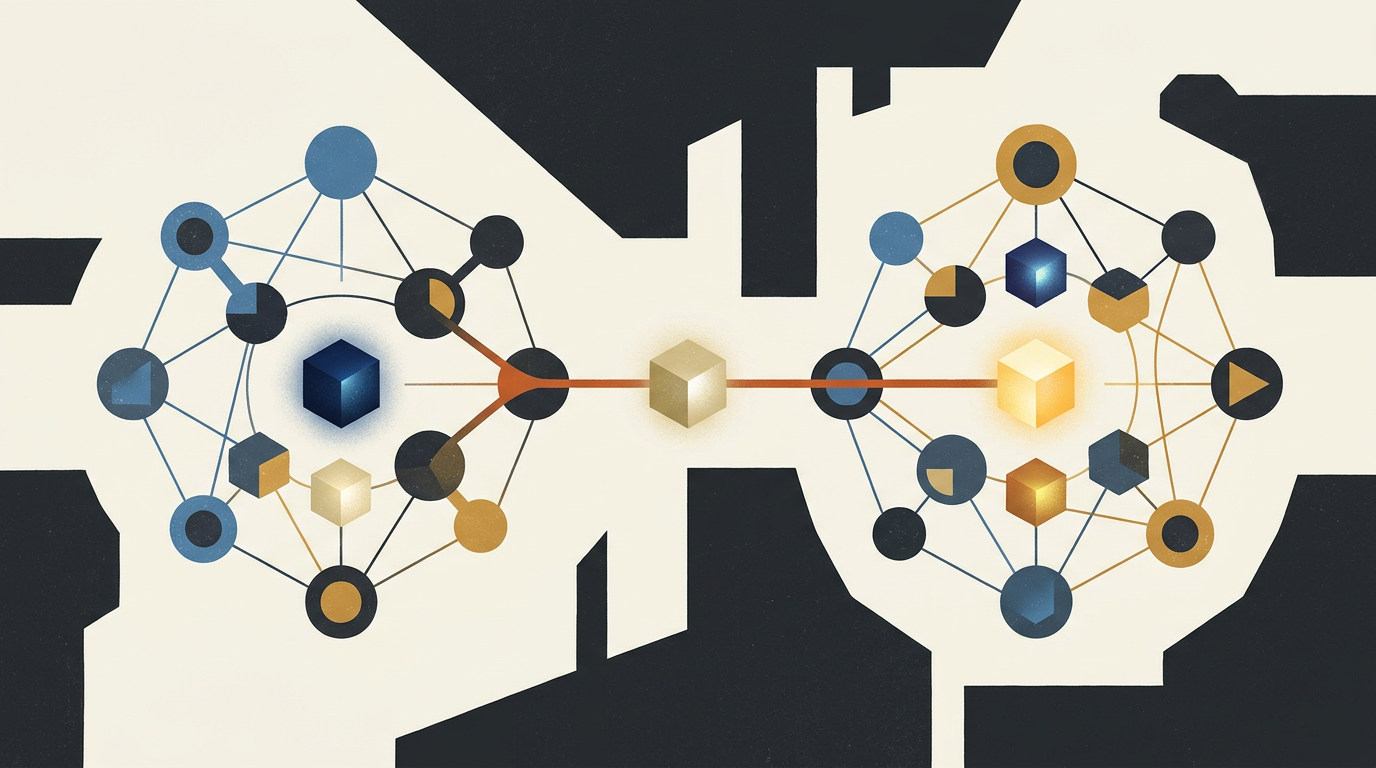
However, as organizations deploy fleets of specialized agents working together, isolated session memory creates new friction points. Without a shared contextual baseline, an incorrect detail or forgotten preference propagates across the entire multi-agent ecosystem. When an agent relies on faulty context across a team, the error costs the entire collective rather than resulting in a repeated explanation from a single user.
To tackle this coordination gap, Tencent released Agent Memory, an open-source framework developed following six months of research into context loss during extended interactions. A core component of the project is a persistent persona layer. This layer aggregates and refines a stable representation of a user's identity and operational habits across multiple conversations, eliminating the need to reconstruct user profiles during every new interaction.
Tencent evaluated the architecture using its own internal benchmark to measure whether agents correctly apply user persona profiles over extended usage. With the new system active, accuracy increased from 48 percent to 76 percent, reflecting a 59 percent relative performance gain.