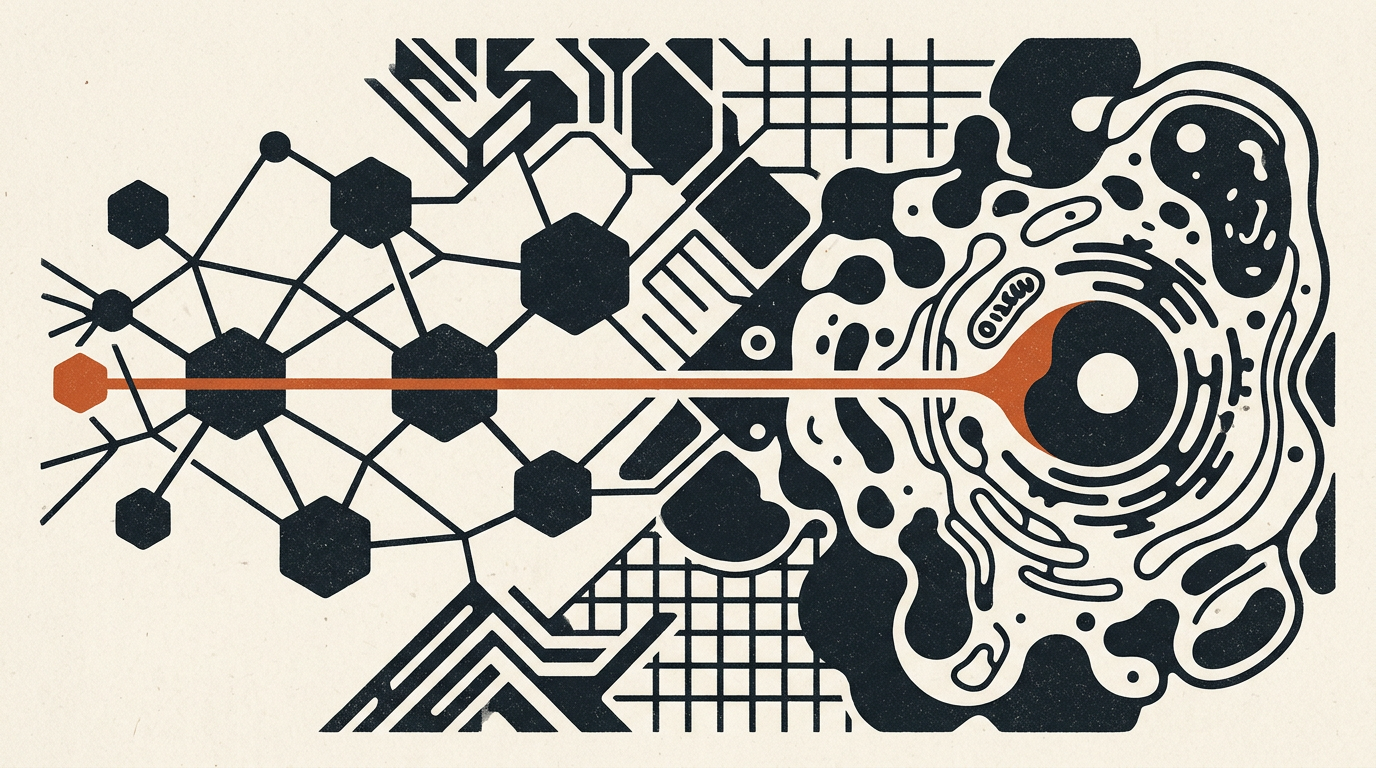
The intersection of computer science and human biology is entering a transformative era. Artificial intelligence is currently being deployed to decrypt the complex biological foundations of human health conditions, while physical biological tissues are simultaneously being cultivated to challenge the dominance of traditional computing architectures. Together, these parallel developments signal a fundamental shift in how researchers approach both neurological research and processing infrastructure. On one front, machine learning is clarifying the intricate genetic factors behind conditions such as schizophrenia. On another front, laboratories around the globe are successfully growing mini human brains, known as organoids, which could eventually demonstrate cognitive capabilities beyond those of current artificial neural networks.
Unraveling Complex Genetics Through Machine Learning
Understanding the human genome has long been complicated by the sheer complexity of polygenic conditions. Schizophrenia, in particular, represents a deeply intricate genetic puzzle that has historically proved difficult for medical scientists to fully map or decipher. Recent analytical breakthroughs powered by artificial intelligence have altered this trajectory, delivering some of the most detailed pictures of the disorder's genetic architecture ever produced.
By applying advanced algorithms to vast sets of biological data, computational models can identify subtle patterns and structural relationships that would otherwise remain obscured. This clearer view of schizophrenia's biological framework is not merely an academic milestone; it directly opens up new avenues for ongoing and future research into the disorder. Identifying these underlying genetic structures provides foundational clarity, allowing scientists to explore targeted research pathways that were previously inaccessible due to the sheer variability within human DNA.
The Rise of Cultivated Biological Brains
While artificial intelligence systems are being leveraged to make sense of human biology, biological systems themselves are being engineered for their processing potential. Laboratories worldwide are now actively growing mini human brains, formally referred to as organoids. These three-dimensional cellular structures represent a significant leap forward in tissue engineering and experimental neurobiology.
The creation of organoids in research facilities across the globe marks a major transition from purely silicon-based computational models toward organic biological architecture. These lab-grown tissues emulate basic structures and cellular behaviors of the human brain. As organoid technology continues to mature, researchers anticipate that these living biological networks could soon outthink conventional artificial neural networks, challenging long-held assumptions regarding the limits of artificial intelligence and hardware design.
Rethinking the Future of Computational Intelligence
The parallel rise of AI-driven genetic mapping and laboratory-grown organoids underscores a dynamic interplay between synthetic code and living tissue. On one hand, artificial neural networks serve as essential instruments for organizing and interpreting complex biological data, such as schizophrenia's genetic architecture. On the other hand, the physical limitations and energy demands of traditional neural networks have highlighted the potential advantages of living biological structures.
Because organoids replicate actual human brain tissue, they possess structural and functional characteristics that artificial neural networks attempt to mimic mathematically. If cultivated mini brains fulfill their potential to outpace conventional neural models, the future of advanced processing may rely as much on living biological units as it does on silicon microprocessors. This creates a remarkable feedback loop: algorithms assist in mapping the delicate genetic frameworks of neurological conditions, while living cellular models offer an alternative paradigm for processing power.
Emerging Horizons in Biological and Synthetic Systems
Looking forward, the dual trajectories of AI-assisted genomics and lab-grown organoid development will remain critical areas to monitor. As machine learning models continue to refine our understanding of schizophrenia's genetic map, scientists gain actionable insights into how complex psychiatric conditions develop at a molecular level. These detailed genetic insights are poised to shape the next era of research strategies, helping demystify long-standing questions surrounding human brain function and illness.
Concurrently, the ongoing growth of mini human brains across global laboratories will test the boundaries of biological processing. Watching whether organoids can genuinely surpass artificial neural networks in problem-solving and computational tasks will be a central focus for both neuroscientists and computer engineers. As synthetic algorithms illuminate human genetics and living organoids challenge synthetic hardware, the boundary between computer science and biological science continues to blur.