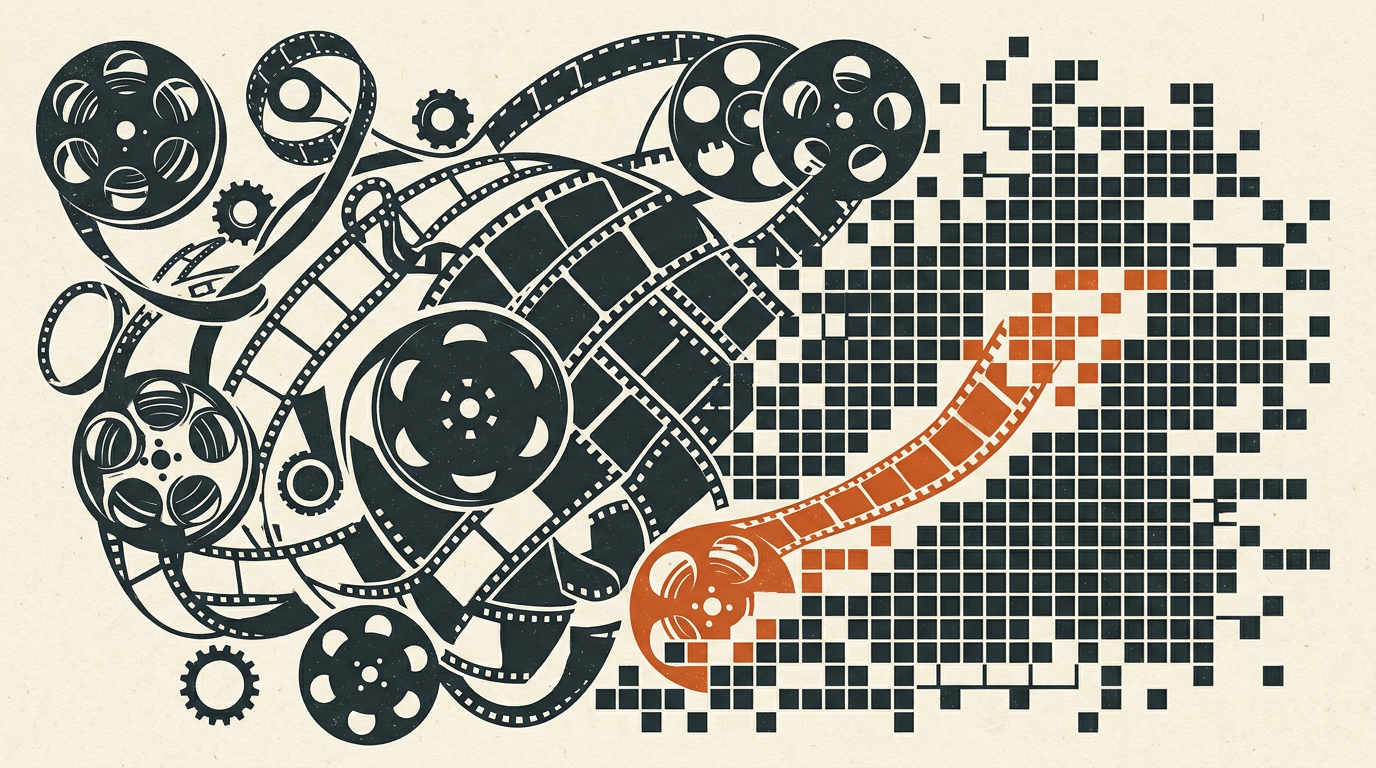
Generated video clips of the popular television series The Office have surfaced, highlighting how artificial intelligence systems originating in China are being deployed to replicate copyrighted Hollywood media. The developments underscore escalating friction between international AI development and traditional entertainment industry intellectual property rights.
The emergence of AI-generated content featuring established television properties illustrates the technical capabilities of current machine learning models to synthesize recognizable characters, sets, and narrative styles. By leveraging existing video assets like The Office, developers can showcase advanced video synthesis, though often without authorization from the original rightsholders. This practice has drawn criticism from industry observers who view the unauthorized use of established entertainment franchises as an exploitation of protected intellectual property.
As AI tools for video generation become increasingly sophisticated, the boundaries surrounding fair use, global copyright enforcement, and digital asset protection are being severely tested. Chinese AI developers operate under distinct regulatory frameworks, making cross-border IP enforcement particularly complex for American media conglomerates looking to protect their library of shows.
What it means
The unauthorized synthesis of iconic television footage represents a critical inflection point for global media rights in the synthetic media era. As Chinese AI models leverage recognizable Western television programs such as The Office to demonstrate video generation capabilities, Hollywood studios face unprecedented challenges in safeguarding their digital assets across international jurisdictions. Resolving these cross-border intellectual property disputes will likely require new legal frameworks, updated licensing standards, and enhanced digital tracking mechanisms for copyrighted entertainment content.